Utilizing Electronics Components with Specialized Features in Industrial Design
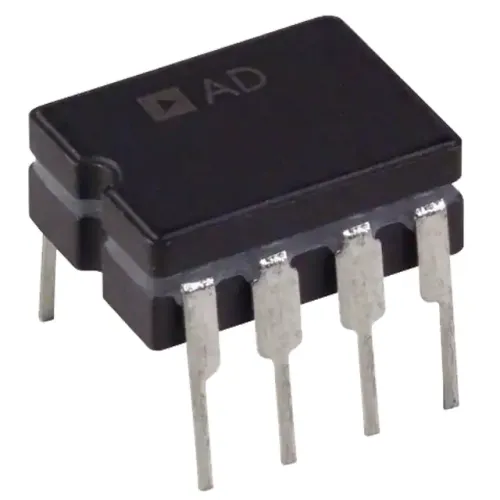
Introduction: The AD620SQ/883B instrumentation amplifier offers 1.2 V/μs slew rate and robust through-hole mounting, ensuring precision and reliability across −55°C to 125°C in industrial applications.
Daily engineering routines often uncover subtle inefficiencies where critical electronic components, such as instrumentation amplifiers and integrated circuits, do not seamlessly integrate into industrial design workflows. For many engineers collaborating with an instrumentation amplifier manufacturer or an integrated circuits manufacturer, the challenge lies in finding components that not only meet stringent electrical specifications but also align with mounting and compliance standards. This gap in routines propels the need for components like the AD620SQ/883B instrumentation amplifier, which offers a blend of specialized features tailored to bridge workflow inefficiencies and deliver reliability in complex industrial applications.
Electrical Performance Metrics Crucial to Instrumentation Amplifier Selection
Choosing the right instrumentation amplifier requires a deep understanding of electrical performance metrics, which dictate how effectively a design can handle precision signal amplification in demanding environments. Parameters such as slew rate, bandwidth, input bias current, and offset voltage are essential considerations for engineers sourcing parts from an instrumentation amplifier manufacturer or supplier. For instance, the AD620SQ/883B offers a slew rate of 1.2 V/μs and a −3dB bandwidth of 1 MHz, ensuring swift response times and accurate signal resolution. Its exceptionally low input bias current and offset voltage minimize distortion, crucial in applications like medical instrumentation or industrial sensors. These performance details define the amplifier’s capacity to maintain signal integrity across temperature variations ranging from −55°C to 125°C. By depending on a trusted instrumentation amplifier supplier that delivers components with consistent performance data and reliable characterization, engineers can confidently incorporate these devices into sensitive measurement circuits while fulfilling design expectations.
Through-Hole Mounting Techniques for Reliable Attachment of Integrated Circuits
In the practical realm of industrial electronics, mechanical stability and ease of assembly drive the adoption of specific mounting techniques, especially through-hole mounting commonly used by an integrated circuits manufacturer committed to durable product outcomes. Components like the AD620SQ/883B come housed in an 8-CERDIP package designed for through-hole placement, providing robust physical attachment to printed circuit boards. This method not only resists mechanical stress better than surface-mount counterparts but also simplifies inspection and maintenance in industrial settings. Through-hole mounting enhances thermal dissipation critical for components drawing modest current levels—in this case, 900 µA supply current with an output current of 18 mA per channel. When working with an integrated circuits supplier well-versed in offering components optimized for through-hole techniques, engineers benefit from improved connection reliability, longer device lifespan, and easier integration in prototypes or final products. Such considerations bolster the durability and functionality of complex industrial systems where mechanical disturbances and temperature fluctuations are routine.
Importance of ECCN Classification and RoHS3 Compliance in Electronics Procurement
Increasingly stringent regulatory environments influence how industrial designers engage with component suppliers, underscoring the importance of ECCN classifications and compliance with guidelines like RoHS3. Working with an instrumentation amplifier manufacturer or integrated circuits manufacturer who provides clarity on ECCN classification—such as EAR99 for the AD620SQ/883B—reassures engineers regarding export control and legal adherence in global markets. Additionally, RoHS3 compliance ensures electronic components meet environmental safety requirements by limiting hazardous substances, aligning procurement with sustainability goals. For many businesses, dependable designation from an instrumentation amplifier supplier or integrated circuits supplier streamlines supply chain management, mitigates compliance risks, and enhances corporate responsibility commitments. Integrating compliant parts protects end users and supports lifecycle responsibility, increasingly valued in industrial design. These assurances contribute to a transparent procurement process where adherence to safety and quality standards becomes a cornerstone rather than an afterthought, promoting confidence throughout the product development cycle.
Navigating collaborations with an instrumentation amplifier supplier and integrated circuits supplier that prioritize stable performance, reliable mounting methods, and stringent compliance standards leads to a design process marked by predictability and resilience. The AD620SQ/883B’s quiet adaptability, with its moderate current consumption and broad operating temperature, exemplifies components that carry forward an engineer’s intent with precision and durability. Focusing on such dependable features in components fosters not only practical success but also the assurance that evolving designs will retain their core strengths in the future automation and instrumentation landscape.
References
AD620SQ/883B Instrumentation Amplifier – Detailed specifications and features of the AD620SQ/883B instrumentation amplifier.
9 Electronics Trends Driving Component Innovation – Insights into current trends influencing electronic component development.
Essential Components for Industrial Electronics – Overview of critical components used in industrial electronic systems.
Understanding Embedded System Design and Its Role in Electronics – Exploration of embedded system design and its significance in modern electronics.
Exploring the Creative and Technical Aspects of Electronics Product Design – Discussion on the integration of creativity and technical expertise in electronics product design.


Comments
Post a Comment